Choosing the Perfect Micro Macrame Threads
Structure, Fiber & Experience in Micro Macrame
Micro macrame thread selection defines far more than color. It shapes structure, precision, durability, and the overall character of your work.
Many beginners search for “the best thread for micro macrame.”
The truth is simple:
There is no single best thread.
There is only the right thread for a specific project — and a specific level of control.
Before choosing your thread, ask yourself:
What kind of project am I creating?
What is my current level of experience?
This guide focuses on synthetic threads, which currently dominate contemporary micro macrame jewelry.
Natural fibers are discussed separately in:
Sustainable Micro Macrame: Organic Fiber Guidebook.
Synthetic vs Natural Threads
Synthetic threads — nylon, polyester, metallic blends — are widely used because they offer:
High durability
The ability to melt and seal ends
Resistance to moisture
Wide color range
Consistent thickness
Natural fibers such as cotton, linen, silk, or hemp provide a different aesthetic and philosophy. They are ideal for artists interested in sustainability and organic textures, but behave differently under tension and finishing.
Micro macrame today is largely shaped by synthetic precision — though this is not the only possible direction.
Twisted vs Braided Threads
Beyond thickness, thread construction plays a crucial role.
In micro macrame, we commonly work with:
Twisted (multi-strand) threads
Braided threads
Twisted threads can be separated into individual strands. Some artists — including techniques described by Joan R Babcock — intentionally divide strands during advanced stages of a project to create textural variation.
Twisted Threads (Multi-Strand Construction)
Examples include:
S-Lon / C-Lon
Linhasita
Polyester embroidery floss
Metallic embroidery floss
These threads consist of multiple strands twisted together. They tend to feel softer and allow more subtle detailing, but may unravel slightly at the ends.
Braided Threads
Examples include commonly available Chinese brands:
2 mm nylon
1 mm nylon
0.8 mm nylon
0.5 mm nylon
Braided threads are more compact and stable. They hold structure clearly and are often easier for beginners.
Recommended Micro Macrame Threads
Below is an overview of commonly used synthetic threads.
Availability may vary depending on location.
This section may contain affiliate links. If you choose to purchase through them, it supports the creation of tutorials and educational content at no additional cost to you. #ad #etsycreatorco
Nylon Thread 2 mm – Beginner Structural Practice
If you’re looking for this type of thread, you can find it here
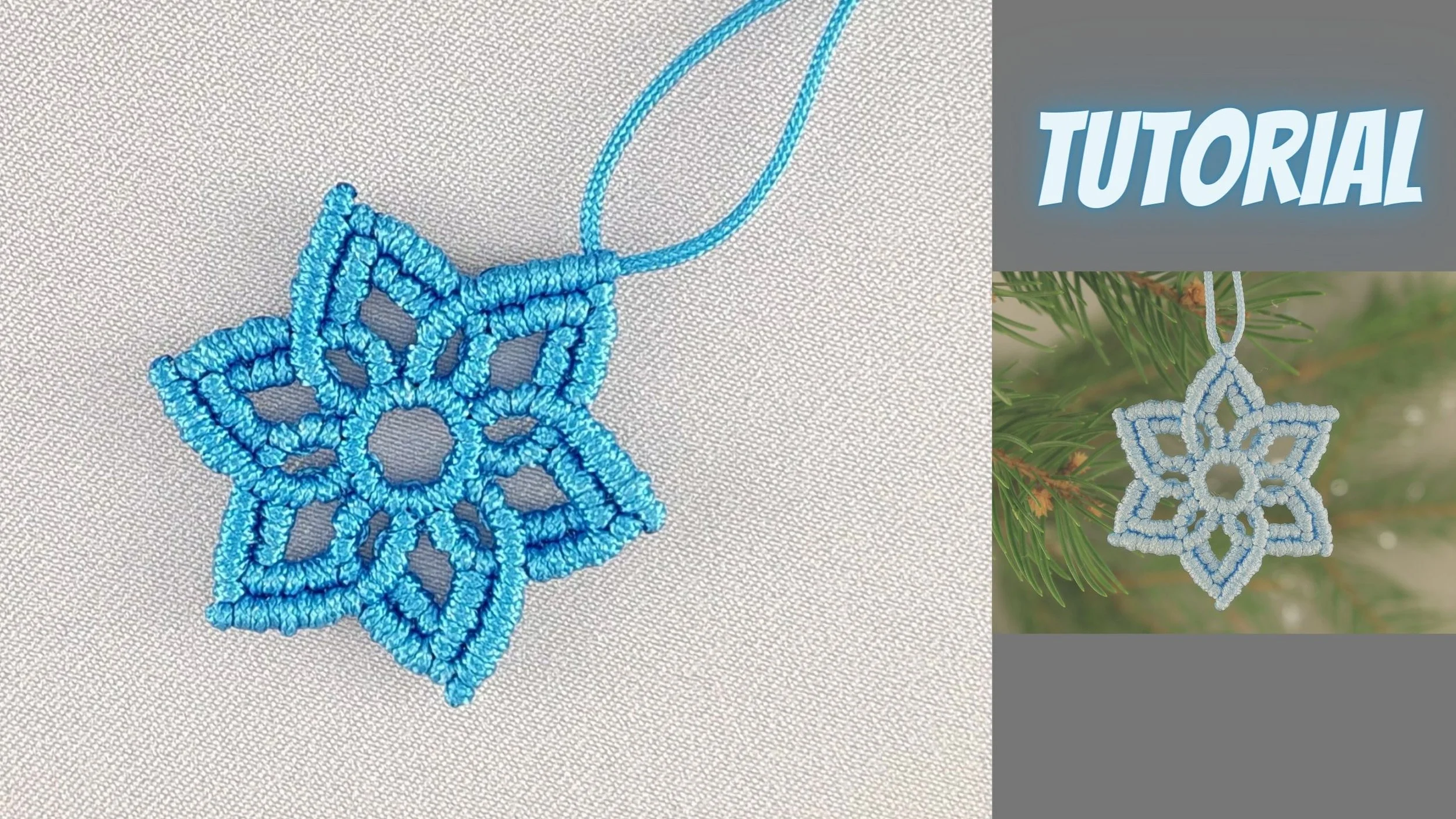
Although closer to classic macrame thickness, 2 mm nylon is excellent for learning knot mechanics and tension.
Best for:
• good choice for beginners
• practicing symmetry
• understanding structure
Keep in mind:
• darker colors may blacken when burned
• often sold in twisted hanks that may tangle
This thickness allows you to focus on control before precision.
Nylon Thread 1 mm – Versatile Everyday Option
If you’re looking for this type of thread, you can find it here

A balanced choice suitable for bracelets and structured designs.
Best for:
• beginner to intermediate makers
• bracelet projects
• bold color combinations
Keep in mind:
• may slip if tension is inconsistent
• ends require careful sealing
Nylon Thread 0.8 mm – Stable & Beginner-Friendly
If you’re looking for this type of thread, you can find it here
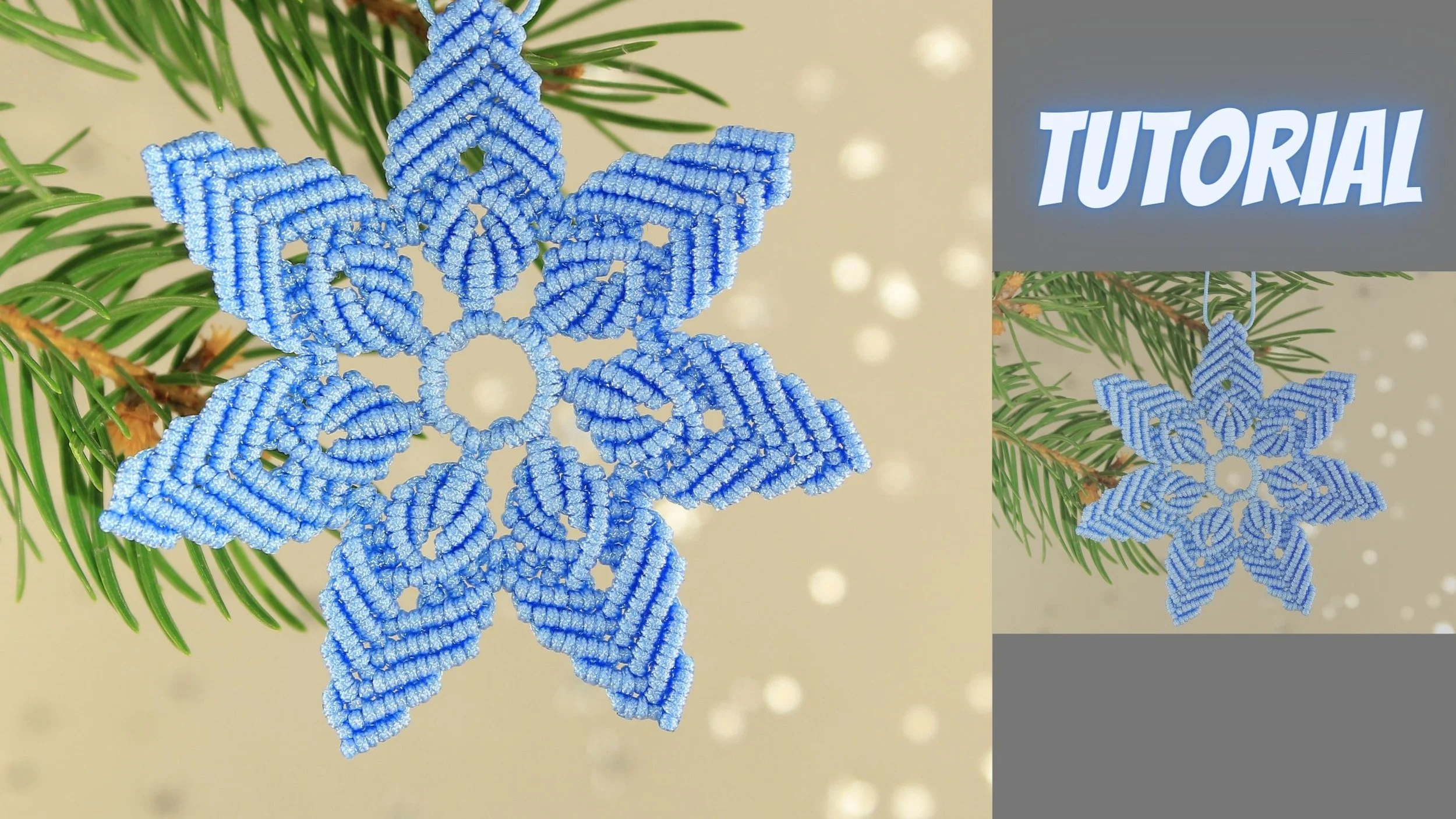
Often the most reliable starting point for detailed micro macrame.
Best for:
• beginners entering finer work
• Tree of Life practice
Keep in mind:
• slightly less fluid than twisted threads
If you enjoy working with 0.8 mm, you can apply it to designs such as the Two-Color Tree of Life project.
Nylon Thread 0.5 mm – Precision & Detail
If you’re looking for this type of thread, you can find it here

This is the thickness I use most frequently (together with 0.6 mm).
It provides refined detail while maintaining structural clarity. Texture may vary depending on supplier.
Best for:
• jewelry-scale pieces
• symbolic pendants
• intricate designs
Keep in mind:
• requires developed tension control
• not ideal for complete beginners
Twisted Nylon 0.6 mm & 0.4 mm (C-Lon Type Threads) – Advanced Work
If you’re looking for this type of thread, you can find it here

These premium threads consist of three twisted strands.
They may unravel slightly at the ends, but this can also be used intentionally for fine detailing.
Best for:
• advanced micro macrame
• intricate detailing
• strand manipulation techniques
Keep in mind:
• more expensive
• limited color range
• requires confident control
One of the few places where you can find C-Lon 0.4 mm threads in the full range of colors is Perles & Co. Check out the offer here.
Polyester Embroidery Floss – Smooth, Refined Finish
If you’re looking for this type of thread, you can find it here

Polyester embroidery threads differ from typical nylon threads:
Structure resembles natural fibers
Shorter strands with multiple filaments
Burned ends leave no dark marks
Finished pieces feel smooth and refined
They create a softer visual effect where knot boundaries appear more blended.
Care is needed when purchasing, as polyester versions are often confused with cotton.
More about these threads in a separate post:
Colorful Micro Macrame Jewelry Using Polyester Floss
Linhasita 0.5 mm – Waxed Alternative
If you’re looking for this type of thread, you can find it here
I personally do not use waxed threads, as I prefer non-coated nylon and dislike the texture and scent of waxed fibers.
However, Linhasita remains one of the most popular micro macrame threads, especially for stone wrapping and structured jewelry.
If you enjoy working with waxed threads, Linhasita 0.5 mm can substitute most of my patterns.
Metallic Threads as Accent
If you’re looking for this type of thread, you can find it here
Metallic floss adds shimmer and reflected light.
Used sparingly, it can replace beads or highlight symbolic elements.
Used excessively, it may overpower texture and hide knot definition.
In micro macrame, subtlety preserves elegance.
More about these threads in a separate post:
Metallic Threads in Micro Macrame Jewelry
Important Note
These are not the only threads suitable for micro macrame.
The material landscape evolves, and this section may be updated as new fibers or constructions emerge.
Thread choice should support your design — not restrict it.
Beginner vs Advanced Thread Direction
If You Are a Beginner
Start with:
0.8 mm braided nylon
1 mm nylon
2 mm for structural learning
Focus on:
understanding knot mechanics
consistent tension
symmetry
Control should come before delicacy.
If You Are Intermediate
Explore:
0.5 mm braided nylon
0.6 mm twisted threads
polyester embroidery floss
At this stage, you begin noticing how structure and fiber influence the final form.
If You Are Advanced
Experiment with:
0.4 mm twisted threads
strand separation techniques
metallic floss as subtle accent
Thread becomes part of your design language.
Looking for More Supplies?
You can explore my curated material recommendations inside the Crafting Supplies section in the main navigation menu.
There you’ll find selected tools, threads, and materials aligned with the techniques used throughout my tutorials.
Choose intentionally.
Knot with precision.
This article is part of the Micro Macrame Learning Hub—a curated collection of tutorials organized by techniques, materials, Tree of Life projects, and skill level.