Micro Macrame Foundations: Start Here
In a world that moves faster every year, micro macrame offers a different rhythm — slower, quieter, built on attention and intention.
It is not simply knotting.
It is working with structure at a miniature scale, where every millimeter matters and every decision influences the final form.
If you are at the beginning of your journey, this guide will help you build strong foundations — not only inspiration, but clarity, structure, and control.
What is Micro Macrame?
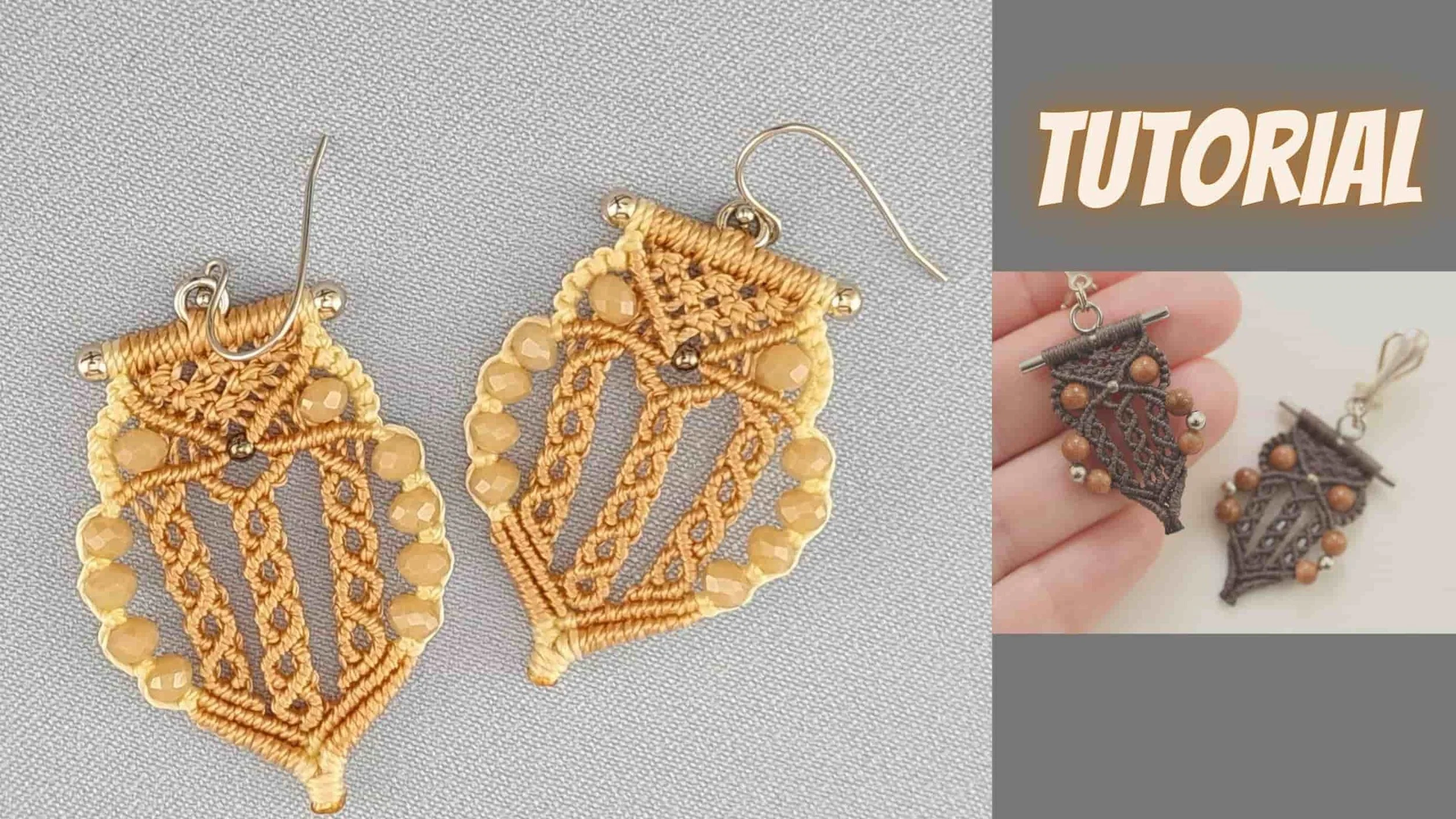
Micro macrame is a refined form of knotting created with thin threads and precise tension control. It is most often used to create jewelry, symbolic forms, and miniature decorative structures.
Unlike traditional macrame, which relies on thicker cords and larger forms, micro macrame operates on a much smaller scale.
That change in scale transforms everything:
the materials you choose
the surface you work on
the level of control required
and the precision of your finishing techniques
When you understand these differences, the craft begins to feel intentional rather than accidental.
And that is where craftsmanship begins.
Choose Your Learning Style First
Before starting your first project, decide how you learn most comfortably.
Some makers prefer:
step-by-step PDF tutorials
printable photo instructions
the ability to work offline
Others learn better from:
movement
rhythm
real-time demonstrations
Neither method is better — only different.
Understanding your learning style early helps reduce frustration and creates a smoother learning process.
→ Read: Video or PDF Tutorials — Which Format Works Best?
Learn Basic Knot Structure First
Before exploring complex patterns, focus on fluency in foundational knots.
These basic structures form the language of micro macrame:
Half Hitch variations
More advanced designs are rarely built from entirely new knots. They emerge from thoughtful combinations of these foundations.
Master structure first.
Complexity will follow naturally.
→ Get the detailed guide: Basic Macrame Knot Guide
Start With the Right Thread Thickness
One of the most common beginner mistakes is starting with threads that are too thin too early.
For first bracelet projects, 1 mm nylon thread is often the most comfortable option:
easier to control
easier to see
more forgiving during practice
As your tension control improves, you can gradually move toward:
0.8 mm braided threads
0.5 mm nylon
twisted threads such as S-Lon
Each material behaves differently.
Some hold structure more firmly, while others create softer and more fluid visual effects.
→ Read: Bracelets are the ideal starting point.
Create a Stable Workspace
A stable work surface is not optional — it directly affects symmetry, tension consistency, and precision.
If your base shifts, your structure shifts with it.
Different makers prefer different solutions:
foam boards
macrame boards
clipboards
or working directly in the hands
The best setup is the one that allows you to maintain steady control without unnecessary tension in your hands.
→ Read: Choosing the Ideal Work Surface for Micro Macrame
Understanding Tension & Control
Tension defines the quality of your work.
A common beginner experience is uneven pulling — too tight in one section, too loose in another — resulting in distortion or irregular spacing.
Instead of working faster, work steadier.
Focus on:
consistent hand pressure
even thread direction
symmetrical alignment
In micro macrame, control matters more than speed.
Precision develops gradually through repetition.
Before starting your first project, create a setup that supports precision rather than improvisation.
Your First Projects
Bracelets are one of the best starting points for beginners.
They help develop:
symmetry
repetition
tension balance
finishing techniques
Once these foundations feel natural, you can gradually move toward more structured and symbolic forms.
→ Explore beginner tutorials on YouTube
→ Browse PDF patterns
Why Using the Same Thread Matters
Each tutorial or pattern is designed around a specific material.
Especially in the beginning, using the same thread as the original project makes learning significantly easier.
Different threads:
react differently to tension
melt differently
vary in stiffness and flexibility
influence the final proportions of the design
Matching the recommended material helps you focus on technique instead of troubleshooting unexpected behavior.
For deeper guidance, explore:
If you are searching for reliable materials, you can find curated sourcing options under the “Crafting Supplies” tab in the navigation bar.
From Foundations to Symbolic Design
As your control improves, micro macrame becomes more than technique.
It becomes a way of building symbolic forms through structure and rhythm.
This is where many makers begin exploring:
These designs require more than technical execution — they require architectural understanding.
Foundations make that expansion possible.
Continue Learning Inside the Members Library
If this technique draws you in deeper, the Members area offers access to a growing private library focused on:
advanced techniques
material experimentation
finishing methods
and more complex project structures
This space is designed for makers who want to continue refining their skills beyond beginner foundations.
A Final Word
Micro macrame is often described as relaxing — and it can be.
But first, it is a discipline of attention.
Precision builds confidence.
Structure builds freedom.
With time, your hands begin to move with quiet certainty. Your designs become intentional rather than experimental.
If you are ready to go deeper, continue with:
This is the beginning.
Now you build.
This article is part of the Micro Macrame Learning Hub—a curated collection of tutorials organized by techniques, materials, Tree of Life projects, and skill level.